


Access Control: Enhancing Security Measures in Your Establishment
Refine Search


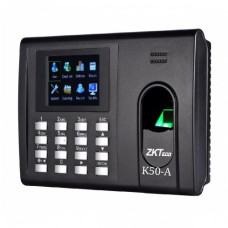
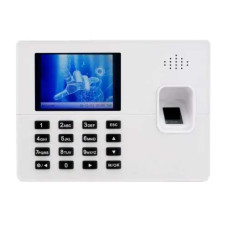
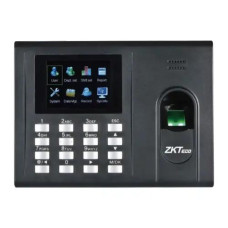


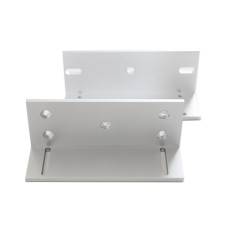
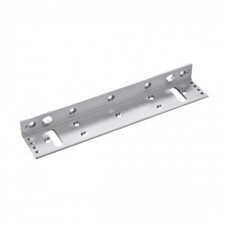


Access Control is an essential security solution for managing and restricting entry to homes, offices, businesses, factories, schools, hospitals, warehouses, and other facilities. Modern access control systems use technologies such as RFID cards, PIN codes, fingerprints, facial recognition, mobile credentials, and electronic locks to allow authorized people to enter while preventing unauthorized access.
Access Control
Unix Network provides access control products and security solutions for residential, commercial, and professional applications. An access control system can help organizations manage who can enter a particular door or area, record access events, and improve overall security.
A complete access control solution may include an access control device, controller, RFID card or key fob, exit button, magnetic lock or electric lock, power supply, door sensor, and related networking or installation accessories.
Access Control System
An access control system is designed to authenticate a user before allowing access through a controlled entrance. Depending on the system, authentication may be performed using a fingerprint, RFID card, PIN, facial recognition, smartphone, or another credential.
Access control systems can be used for individual doors as well as multiple-door installations. Larger organizations may use centralized software to manage users, access permissions, attendance records, and access events.
Biometric Access Control
Biometric access control identifies users through unique physical characteristics. Fingerprint and facial recognition are among the most common biometric technologies used in modern access control systems.
Biometric systems can reduce the need for physical access cards and can provide convenient user authentication for offices, factories, educational institutions, and other controlled environments.
Fingerprint Access Control
Fingerprint access control devices use a person's fingerprint as an authentication credential. Users register their fingerprints in the device, and the system compares a presented fingerprint with the stored template before granting access.
Fingerprint access control is commonly used for employee entrances, offices, factories, warehouses, and restricted areas.
Face Recognition Access Control
Face recognition access control uses a camera and facial-recognition technology to authenticate registered users. It can provide touchless access and may be particularly useful in offices, commercial buildings, and organizations with a large number of users.
RFID Access Control
RFID access control uses contactless cards, key fobs, or other RFID credentials. A user presents the credential to a compatible reader, and the system verifies whether the credential is authorized.
RFID access control is popular because cards and key fobs are easy to issue, replace, and manage.
RFID Card Access Control
RFID cards provide a convenient method for controlling access to doors and restricted areas. Organizations can assign individual cards to employees, students, residents, or authorized visitors and deactivate credentials when access is no longer required.
Access Control Card Reader
An access control card reader detects and reads compatible RFID or proximity credentials. The reader communicates with an access control controller or integrated access terminal to determine whether the user should be granted entry.
Access Control Controller
An access control controller is the central component responsible for managing one or more controlled doors. It receives authentication information, checks access permissions, and controls the connected electronic lock.
Controllers can be standalone or network-connected. Network-based controllers are useful for installations where administrators need centralized management of multiple doors.
Door Access Control
Door access control systems are designed to manage entry through individual doors. A typical installation may include a reader, controller, electronic lock, exit button, door sensor, and power supply.
Single Door Access Control
A single-door access control system is suitable for small offices, shops, server rooms, private offices, laboratories, and other locations where only one entrance needs to be controlled.
Multi-Door Access Control
Multi-door access control systems allow organizations to control multiple entrances from one management platform. They are suitable for offices, factories, educational institutions, commercial buildings, and larger facilities.
Magnetic Door Lock
A magnetic lock, commonly called a maglock, uses electromagnetic force to secure a door. It is widely used in access control installations and can be connected to an access controller, exit button, and appropriate power supply.
The lock's holding force, door type, installation method, power requirements, and safety configuration should be considered before installation.
Electric Door Lock
Electric locks use electrical control to lock or unlock a door. Different types include electric strikes and other electronically controlled locking mechanisms. The appropriate lock depends on the door design and access control requirements.
Exit Button
An exit button allows an authorized person to exit a controlled area from the inside. It is commonly connected to an access control system and electronic lock.
Exit buttons are available in different designs, including push-to-exit and touchless models, depending on the installation requirements.
Door Sensor
A door sensor detects whether a controlled door is open or closed. It can be used by an access control system to monitor door status and, depending on the controller and software, generate alerts for unauthorized or prolonged door opening.
Access Control Power Supply
Electronic locks, controllers, readers, and other access control components require an appropriate power source. A dedicated access control power supply can provide stable power and may include battery backup capability in some installations.
Access Control with Attendance
Many biometric access control terminals also provide employee attendance functions. These systems can record employee check-in and check-out events and allow organizations to manage attendance information through compatible software.
When attendance is an important requirement, customers should select a terminal and software platform specifically designed to support the required attendance features.
Access Control for Office
Office access control systems can restrict entry to employee-only areas, server rooms, management offices, storage rooms, and other sensitive locations. RFID cards, fingerprints, PINs, and facial recognition can all be used depending on the organization's requirements.
Access Control for Factory
Factories may require access control for employee entrances, production areas, warehouses, administrative offices, and restricted zones. A centralized system can help manage a large number of users and access permissions.
Access Control for School
Schools and educational institutions can use access control to manage entry to administrative offices, laboratories, staff areas, storage rooms, and other restricted locations. The system can also help maintain an access record for authorized users.
Access Control for Hospital
Hospitals and healthcare facilities may use access control to restrict entry to staff-only areas, medicine storage, laboratories, server rooms, administrative departments, and other sensitive locations.
Access Control for Warehouse
Warehouse access control can help restrict entry to authorized employees and monitor access to inventory and storage areas. RFID cards, PINs, fingerprints, and other credentials can be used according to the facility's requirements.
Access Control for Home
Residential access control can provide additional security for apartment buildings, private offices, gates, and restricted areas. Depending on the installation, users can choose RFID, PIN, fingerprint, facial recognition, or electronic locking solutions.
Access Control for Server Room
Server rooms contain critical IT infrastructure and should generally have restricted access. An access control system can limit entry to authorized personnel and provide an access record for security and auditing purposes.
Access Control for Data Center
Data centers often require strict access management. Multi-door access control, biometric authentication, access logging, door sensors, electronic locks, and centralized management can be integrated into a comprehensive security system.
Network Access Control
Physical access control and network access control are different concepts. Physical access control manages entry to buildings, rooms, and doors, while network access control manages whether devices or users are permitted to access a computer network.
IP Access Control
IP-based access control systems connect access control devices to a network. Network connectivity can enable centralized administration, remote configuration, event monitoring, and management of multiple doors, depending on the selected system.
Standalone Access Control
A standalone access control terminal can operate independently without requiring a large centralized access control infrastructure. These systems are suitable for smaller offices, shops, homes, and individual doors.
Cloud Access Control
Cloud-based access control systems use internet-connected platforms to manage access devices and users. Depending on the provider, administrators may be able to manage credentials, monitor events, and configure access permissions remotely.
Access Control Software
Access control software can be used to register users, assign credentials, configure access permissions, review access events, generate reports, and manage multiple devices. Available functions depend on the manufacturer and software platform.
Access Control Features
- Fingerprint authentication
- Face recognition
- RFID card authentication
- PIN or password authentication
- Multiple authentication methods
- Door access management
- Access event logging
- User management
- Time-based access permissions
- Door status monitoring
- Exit button support
- Electronic lock control
- Network connectivity
- Attendance management on supported models
How Access Control Works
A typical access control system begins when a user presents a credential such as a fingerprint, RFID card, PIN, or face. The access control terminal or reader verifies the credential. If the user has permission to enter, the controller activates the electronic lock for the configured period. The system can then record the access event for future reference.
Access Control System Components
| Component | Purpose |
|---|---|
| Access Terminal | Authenticates users using supported credentials |
| RFID Reader | Reads compatible access cards or key fobs |
| Controller | Manages access permissions and lock operation |
| Magnetic Lock | Electronically secures the door |
| Electric Lock | Provides electronically controlled locking |
| Exit Button | Allows controlled exit from inside |
| Door Sensor | Detects door open or closed status |
| Power Supply | Provides electrical power to system components |
| RFID Card | Provides contactless user authentication |
How to Choose an Access Control System
- Determine the number of doors that need control.
- Choose the preferred authentication method.
- Decide whether attendance management is required.
- Check the number of users the device supports.
- Consider standalone or network-based operation.
- Check compatibility with the required electronic lock.
- Consider door type and installation requirements.
- Check power requirements and backup power options.
- Consider access event storage and reporting requirements.
- Check software and operating-system compatibility.
- Consider future expansion for additional doors.
- Choose a suitable warranty and after-sales support.
Access Control vs Attendance Machine
Access control and attendance systems can overlap, but their primary purposes are different. An attendance machine is primarily designed to record employee arrival and departure times, while an access control system is primarily designed to control physical entry.
Many modern biometric terminals combine both functions. When purchasing such a device, customers should verify that the required access control and attendance features are actually supported.
Access Control and CCTV Integration
Access control can be integrated with CCTV systems to improve security monitoring. For example, access events can be associated with camera footage when compatible systems are properly configured. This can help organizations investigate unauthorized entry or other security incidents.
Access Control and Intercom
Access control systems can also be combined with video intercom systems for applications such as apartment buildings, offices, gates, and reception areas. A visitor can request access through the intercom, while an authorized person can release the door remotely when the system supports this function.
Access Control for Main Gate
Gate access control systems can use RFID cards, long-range credentials, biometric devices, keypads, or other authentication technologies. The appropriate system depends on whether the controlled entrance is a pedestrian gate, vehicle gate, or building entrance.
Access Control for Glass Door
Glass doors often require specially selected locks and mounting accessories. Magnetic locks, electric locks, glass-door brackets, and other compatible components may be required depending on the door construction.
Access Control for Wooden Door
Wooden doors can support several access control configurations, but the appropriate lock and mounting method depend on the door frame, opening direction, thickness, and existing hardware.
Access Control for Metal Door
Metal doors are commonly used in offices, factories, warehouses, and commercial buildings. Access control components should be selected according to the door's construction and the required locking mechanism.
Access Control Security
A properly configured access control system can improve physical security by ensuring that only authorized credentials can unlock controlled doors. Administrators should regularly review users, remove inactive credentials, protect management accounts, and maintain the system according to the manufacturer's recommendations.
Access Control Installation
Professional installation is recommended for many access control systems because correct installation involves electrical connections, lock alignment, door hardware, exit mechanisms, sensors, controller configuration, and potentially network integration.
Safety requirements should also be considered. For example, doors used as emergency exits may require appropriate fail-safe or fail-secure configurations and emergency release mechanisms according to the building's design and applicable regulations.
Access Control Maintenance
Regular maintenance can help keep access control systems reliable. Maintenance may include checking locks, power supplies, batteries, exit buttons, door sensors, readers, cables, network connections, and software. User databases and access permissions should also be reviewed periodically.
Access Control Price in Bangladesh
Access control prices in Bangladesh vary according to authentication technology, brand, user capacity, door capacity, controller type, lock type, software features, networking capability, and included accessories. A basic standalone RFID system can cost considerably less than a multi-door biometric access control system with centralized management.
Customers should compare the complete system cost rather than the terminal price alone. Installation, magnetic locks, controllers, power supplies, cards, exit buttons, cables, software, and other accessories may need to be purchased separately depending on the package.
Buy Access Control Online in Bangladesh
Unix Network provides computer, networking, CCTV, and security products for home, office, commercial, and professional applications. Customers looking for access control equipment can select products according to authentication method, number of doors, user capacity, lock type, networking requirements, and budget.
Access Control in Jashore
Unix Network provides IT, networking, CCTV, and security solutions in Jashore, Bangladesh. Access control equipment can be used for offices, shops, factories, educational institutions, warehouses, residential properties, and other facilities requiring controlled entry.
Frequently Asked Questions About Access Control
What is access control?
Access control is a security system that manages who is allowed to enter a particular door, room, building, or restricted area. It can use RFID cards, fingerprints, PINs, facial recognition, mobile credentials, or other authentication methods.
What is the difference between RFID and fingerprint access control?
RFID access control authenticates users through contactless cards or key fobs, while fingerprint access control uses biometric fingerprint recognition. RFID systems are convenient for issuing and replacing credentials, while fingerprint systems can reduce the need for physical cards.
Can access control be used for an office?
Yes. Access control is commonly used in offices to restrict entry to employee areas, server rooms, management offices, storage areas, and other restricted locations.
Can access control record employee attendance?
Some access control terminals also support attendance management. The exact attendance features depend on the device and compatible software.
What is a magnetic lock?
A magnetic lock is an electronic door lock that uses electromagnetic force to secure a door. It can be controlled by an access control system, exit button, or other compatible equipment.
Do I need a controller for access control?
It depends on the system. Some access terminals have built-in access control functionality, while other installations use separate controllers to manage one or more doors.
Can access control work with CCTV?
Yes. Compatible access control and CCTV systems can be integrated so that access events and video surveillance can work together as part of a broader security solution.
Can access control work without the internet?
Many standalone access control systems can operate locally without an internet connection. Network or cloud-based features may require a local network or internet connection depending on the system.
Is biometric access control secure?
Biometric access control can provide effective user authentication, but overall security depends on the device's technology, configuration, credential management, physical installation, software security, and operational practices.
Why Buy Access Control Products from Unix Network?
Unix Network provides networking, CCTV, computer, and security products for residential, commercial, and professional applications. Customers can select access control equipment and related components according to their door configuration, authentication requirements, number of users, security needs, and budget.
Before purchasing an access control system, consider the complete installation rather than only the access terminal. The reader or biometric device, controller, electronic lock, exit button, door sensor, power supply, cabling, software, and installation method should all be compatible with one another.
