

Buy High-Quality Sewing Machines in Jessore, Bangladesh | Unix Network
Showing 1 to 8 of 8 (1 Pages)
Refine Search
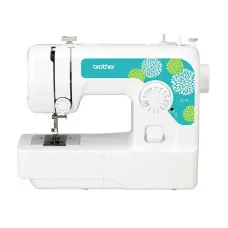

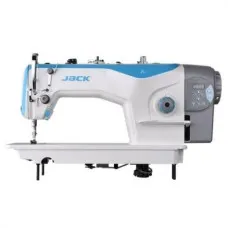


SINGER SM024 Electric Sewing Machine
৳16,500 ৳17,500
Sewing Machine
Sewing Machine Price in Bangladesh
A sewing machine is a practical appliance used for stitching and repairing clothes, fabrics, curtains, home textiles, and other materials. Modern sewing machines are available in mechanical, electric, computerized, portable, and specialized designs to suit different types of sewing work.
The sewing machine price in Bangladesh depends on the machine type, motor power, stitching functions, built-in stitch patterns, sewing speed, body construction, accessories, warranty, and brand. Before buying a sewing machine, consider whether you need it for basic home sewing, tailoring, dressmaking, embroidery, or professional production.
Buy Sewing Machine in Bangladesh
If you are planning to buy a sewing machine in Bangladesh, choose a model according to your sewing requirements and experience level. A basic mechanical sewing machine can be suitable for everyday repairs and simple stitching, while an electric or computerized model can provide additional features and greater control.
Before purchasing, compare stitch options, sewing speed, motor performance, fabric compatibility, bobbin system, needle positions, presser feet, accessories, ease of maintenance, warranty, and availability of spare parts.
Types of Sewing Machine
Mechanical Sewing Machine
A mechanical sewing machine uses manual controls such as dials, levers, and foot pedals to operate the machine and select stitches. It is generally straightforward to operate and can be a good option for beginners and users who prefer simple controls.
Electric Sewing Machine
An electric sewing machine uses a motor to drive the needle and feed mechanism. It can provide faster and more convenient sewing compared with manually operated machines.
Electric models are available with different stitch patterns, speed controls, and automatic functions.
Computerized Sewing Machine
A computerized sewing machine uses electronic controls and programmable settings to provide a wide range of stitch patterns and automated functions.
Depending on the model, features may include automatic needle threading, speed control, stitch selection, programmable patterns, and LCD displays.
Portable Sewing Machine
A portable sewing machine is designed for users who need a compact and relatively easy-to-move sewing solution. It can be useful for small repairs, basic household sewing, students, and users with limited workspace.
Mini Sewing Machine
A mini sewing machine is a compact option intended for lightweight sewing tasks and basic repairs. Its capabilities can vary significantly between models, so users should check the supported fabric types and stitching functions before purchasing.
Overlock Sewing Machine
An overlock sewing machine, also known as a serger, is designed to finish fabric edges and create specialized seams. It is commonly used in garment making and tailoring.
Embroidery Sewing Machine
An embroidery machine is designed to create decorative patterns, lettering, logos, and other embroidery designs on fabric. Some computerized models combine regular sewing and embroidery functions.
Industrial Sewing Machine
Industrial sewing machines are designed for high-volume professional use in garment factories, tailoring businesses, upholstery workshops, and other production environments.
Sewing Machine for Home
A home sewing machine can be useful for repairing clothes, adjusting garments, making curtains, sewing household fabrics, and completing small clothing projects.
For occasional home use, a simple mechanical or electric model may provide sufficient functionality without unnecessary complexity.
Sewing Machine for Beginners
Beginners can benefit from a sewing machine with simple controls, straightforward threading, adjustable stitch length, basic stitch options, and easy-to-follow operation.
A machine with too many advanced features may not always be necessary when learning basic sewing techniques.
Sewing Machine for Tailoring
Tailors and dressmakers often require machines capable of handling regular workloads and different fabric types. Depending on the work, a straight-stitch machine, overlock machine, or specialized industrial machine may be appropriate.
Consider sewing speed, motor durability, fabric handling, stitch quality, maintenance requirements, and availability of spare parts.
Sewing Machine for Dressmaking
Dressmaking can require different stitch types, adjustable stitch length and width, and reliable fabric feeding. A versatile electric or computerized sewing machine can be useful for users who regularly create garments.
Sewing Machine for Embroidery
Embroidery-capable machines can create decorative patterns and designs on fabric. Computerized models may allow users to select built-in designs or, depending on the machine, transfer compatible embroidery patterns.
Sewing Machine for Heavy Fabric
Heavy fabrics such as denim, canvas, and upholstery materials can require greater needle penetration and motor performance. If you regularly sew heavy materials, choose a machine specifically designed to handle those fabrics.
Do not assume that every household sewing machine can safely sew thick or layered materials.
Sewing Machine for Light Fabric
Lightweight fabrics such as cotton, silk, and certain synthetic materials require appropriate needle selection, thread tension, presser-foot pressure, and fabric feeding.
A machine with adjustable settings can provide greater control when working with delicate materials.
Sewing Machine Motor
The motor drives the needle and other mechanical components of an electric sewing machine. Motor performance is particularly important for users who frequently sew thick fabrics or operate the machine for extended periods.
When comparing machines, consider overall machine construction and intended workload rather than focusing only on motor wattage.
Sewing Speed
Sewing speed is generally measured in stitches per minute. Higher maximum speed can be useful for experienced users and production environments, while beginners may benefit from adjustable speed control.
A speed-control feature can help users maintain greater precision when working on detailed sewing projects.
Sewing Machine Stitch Types
Straight Stitch
The straight stitch is one of the most commonly used stitches for joining fabric pieces and completing basic sewing work.
Zigzag Stitch
The zigzag stitch can be useful for decorative sewing, finishing fabric edges, and working with certain stretch fabrics.
Overlock Stitch
Overlock stitching helps finish fabric edges and can provide a professional appearance to garments.
Decorative Stitch
Some computerized and advanced sewing machines include decorative stitch patterns for creative and decorative projects.
Sewing Machine Bobbin
The bobbin stores the lower thread used to form stitches. Sewing machines can use different bobbin systems, so it is important to use the correct bobbin type and follow the manufacturer's threading instructions.
A clear or top-loading bobbin system can make it easier to monitor the remaining thread on compatible machines.
Automatic Needle Threader
An automatic needle threader helps guide thread through the needle eye and can make setup easier. This feature can be particularly useful for users who have difficulty threading very small needle eyes.
Sewing Machine Foot Pedal
A foot pedal allows the user to control the sewing machine's operation while keeping both hands available to guide the fabric.
Some computerized models also provide buttons or electronic controls for starting, stopping, or adjusting sewing speed.
Sewing Machine Presser Foot
The presser foot holds fabric against the feed mechanism while stitching. Different presser feet are designed for specific tasks such as zippers, buttonholes, quilting, hemming, or decorative stitching.
Check which presser feet are included with the machine and whether additional compatible feet are available.
Sewing Machine Accessories
Needles
Different fabrics require different needle types and sizes. Having appropriate replacement needles is essential for maintaining good stitch quality.
Bobbins
Additional compatible bobbins are useful for keeping different thread colors ready for sewing projects.
Thread
Thread selection should match the fabric and sewing application. Using appropriate thread can help improve stitch quality and durability.
Presser Feet
Additional presser feet can expand the machine's capabilities for specialized sewing tasks.
Seam Ripper
A seam ripper is a useful accessory for safely removing unwanted stitches during sewing and alterations.
Sewing Machine Safety
Needle Safety
Keep fingers away from the moving needle and turn off the machine before changing the needle or performing maintenance.
Electrical Safety
Inspect the power cable and plug regularly and use the sewing machine with a suitable electrical supply.
Machine Stability
Place the machine on a stable and sufficiently strong surface to reduce movement during operation.
Maintenance Safety
Disconnect the machine from the power source before cleaning, lubricating, changing components, or performing maintenance.
Sewing Machine Maintenance
Regular cleaning and maintenance can help maintain sewing quality and extend machine life. Remove accumulated lint and thread from the bobbin area, feed dogs, needle area, and other accessible components according to the manufacturer's instructions.
Mechanical machines may require periodic lubrication, while some modern machines may have specific maintenance requirements. Always follow the manufacturer's maintenance guidelines.
Sewing Machine Power Consumption
Electric sewing machines generally consume relatively little power compared with many larger household appliances, but actual consumption depends on motor power, operating time, machine design, and workload.
For frequent users, consider both machine performance and operating efficiency when selecting a model.
How to Choose the Best Sewing Machine
Determine Your Sewing Needs
Decide whether you need the machine for clothing repairs, dressmaking, quilting, embroidery, tailoring, upholstery, or professional production.
Choose the Right Machine Type
Select a mechanical, electric, computerized, portable, overlock, embroidery, or industrial machine according to your requirements.
Check Fabric Compatibility
Make sure the machine can handle the types and thicknesses of fabric you normally sew.
Check Stitch Options
Choose the number and types of stitches according to your projects. Basic sewing may require only a few essential stitches, while creative work may benefit from additional patterns.
Check Sewing Speed
Consider maximum speed and whether the machine provides adjustable speed control.
Check Threading Features
Features such as automatic needle threading and easy bobbin loading can make setup more convenient.
Check Included Accessories
Compare included presser feet, bobbins, needles, extension tables, covers, and other accessories.
Check Warranty
Review warranty coverage and after-sales support before purchasing a sewing machine.
Sewing Machine Price in BD
The sewing machine price in BD varies depending on machine type, motor performance, stitch functions, sewing speed, construction, accessories, and brand. Basic household machines are generally more affordable, while computerized, embroidery, overlock, and industrial models can cost considerably more.
When comparing prices, consider your actual sewing requirements, expected workload, durability, accessories, warranty, and availability of replacement parts.
Sewing Machine Price in Jessore
If you are searching for sewing machine price in Jessore, compare available models according to machine type, sewing speed, stitch options, fabric compatibility, motor performance, accessories, warranty, and budget.
For frequent tailoring or professional use, also consider local availability of needles, bobbins, presser feet, motors, belts, and other replacement components.
Buy Sewing Machine from Unix Network
If you are planning to buy a sewing machine in Bangladesh, Unix Network can help customers compare available models according to their sewing requirements and budget.
Before purchasing, check the exact model, machine type, stitch functions, sewing speed, supported fabric types, motor performance, included accessories, warranty, and availability.
Frequently Asked Questions About Sewing Machine
Which sewing machine is best for beginners?
A simple mechanical or electric sewing machine with basic stitch options and easy controls can be a practical choice for beginners.
Which sewing machine is best for home use?
The best machine depends on the type of sewing you perform. A basic electric machine can be suitable for repairs and everyday sewing, while advanced users may benefit from computerized models.
Can a sewing machine sew denim?
Some sewing machines can handle denim and other relatively heavy fabrics, but capability varies by model. Check the manufacturer's fabric recommendations before sewing thick or multiple layers.
What is an overlock sewing machine?
An overlock machine is designed primarily for finishing fabric edges and creating specialized seams. It is commonly used in garment making and tailoring.
What should I check before buying a sewing machine?
Check machine type, stitch options, sewing speed, fabric compatibility, motor performance, bobbin system, presser feet, accessories, ease of maintenance, warranty, and spare-part availability.
Is a computerized sewing machine better than a mechanical machine?
Not necessarily. A computerized machine can provide more automated features and stitch options, while a mechanical machine can be simpler to operate and maintain. The better choice depends on your sewing requirements.
Final Buying Guide
The right sewing machine depends on your experience, sewing projects, fabric types, frequency of use, required stitch patterns, and budget. A mechanical machine can be suitable for basic household sewing, an electric machine can provide convenient everyday operation, and computerized or specialized machines can offer advanced functionality.
Before buying, compare machine type, motor performance, sewing speed, stitch options, fabric compatibility, threading system, accessories, maintenance requirements, warranty, and spare-part availability. Choosing a machine according to your actual sewing needs can provide better performance and long-term value.
If you are searching for sewing machine price in Bangladesh, sewing machine price in BD, or sewing machine price in Jessore, compare the available options at Unix Network and choose a sewing machine that matches your requirements and budget.